Your Money is Wasted because Mice are Too Cold
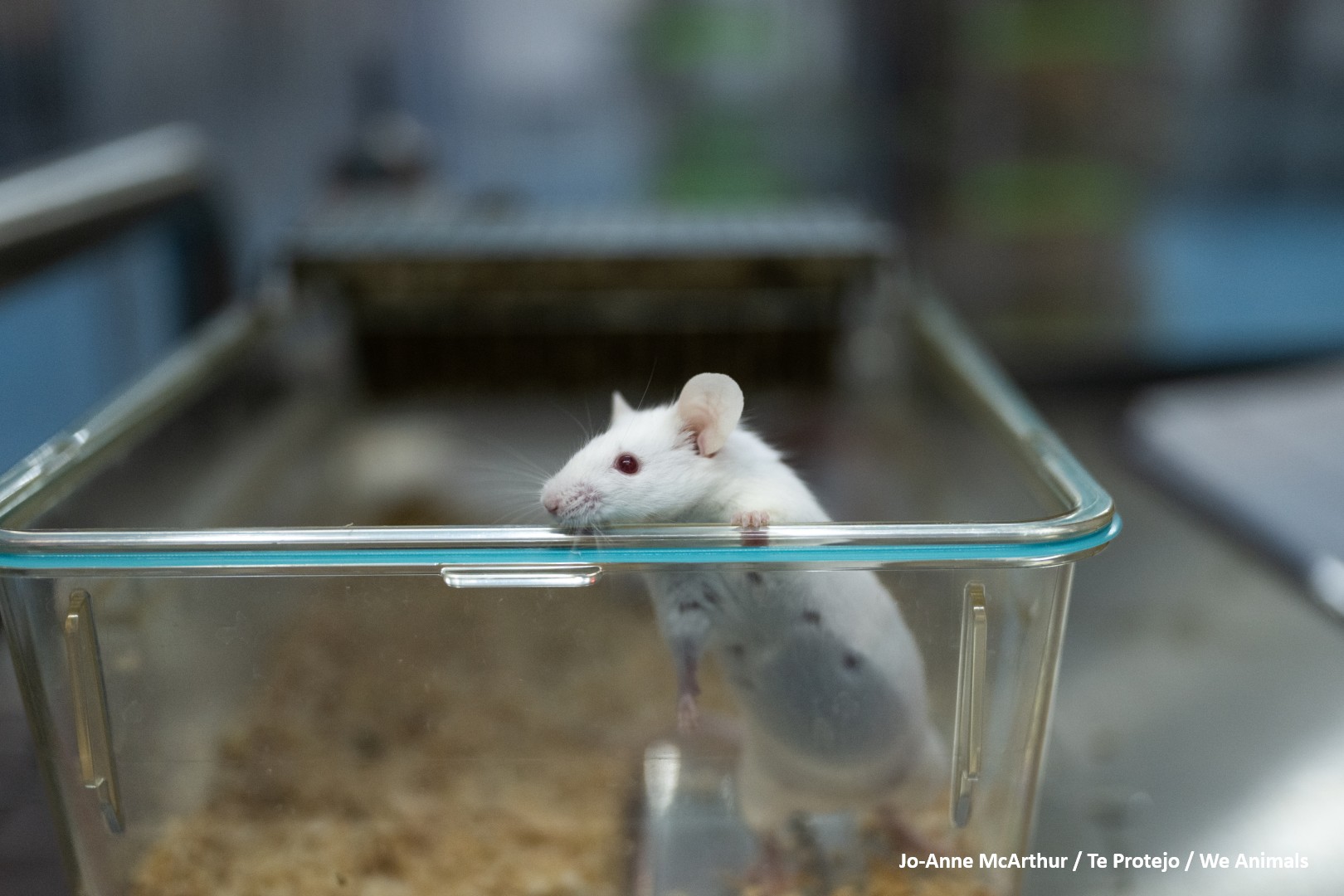
When we donate money to charities that are researching cures for diseases, we want to be sure our money is being used wisely. One way to check is to ask if the mice they use in their research experiments are warm enough.
Around the world, mice in laboratories are routinely being housed in conditions that are too cold for them.
Mice don’t like to be cold. They become stressed and distressed. They spend up to 70% more energy just trying to stay warm. Their immune systems get weaker and we see changes in their cardiovascular and respiratory function.
This shouldn’t surprise us.
The same happens to humans when we are too cold all the time. For humans a comfortable working temperature is 20-22oC (68-71oF).
If we had to go about our daily lives in room temperatures of 8oC, wearing only a t-shirt and shorts, we’d quickly start to suffer physical and mental stress. If you made us do cognition tests or manual dexterity tests, we’d perform very differently to people who were comfortable in their environment.
If we had to live in these colder temperatures for weeks, our sleep would become disrupted and we would become rundown, irritable, lethargic and depressed. We’d develop illnesses. If you tested how our bodies reacted to medicines in these circumstances the results you get would be very different to those you might get from people who were warm, healthy and happy.
And yet, this bad science is being performed in facilities around the world.
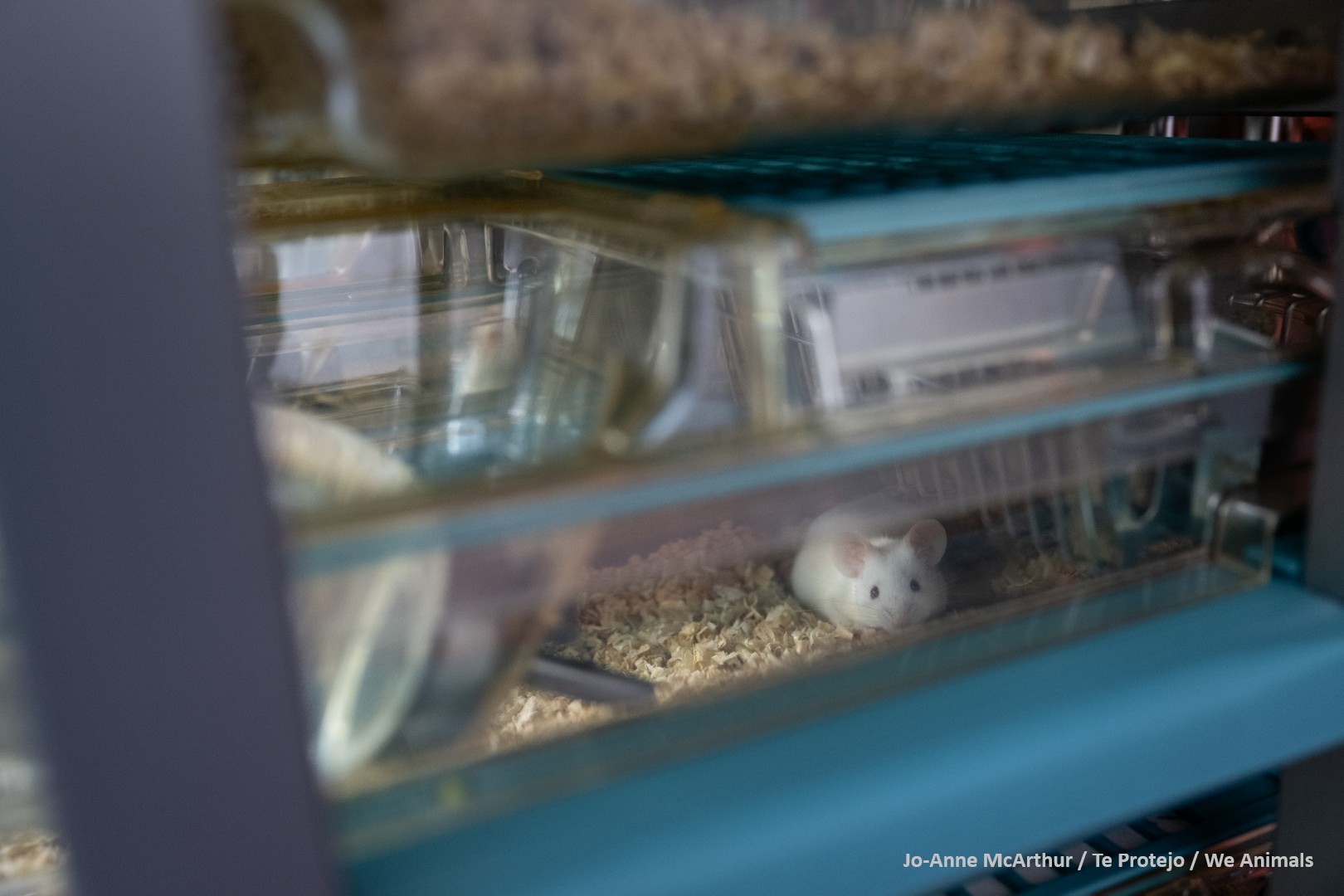
Laboratory mice are routinely kept in temperatures that are too cold for them.
As one researcher said on the Get Real! Podcast: The mouse models we have for cancer and many other diseases for that matter are incredibly biased by their housing conditions. These housing conditions for our mice cause so much stress in these animals that the information we collect from these research mice poorly represents human pathology and often holds very little translational value for the treatment of human diseases.
You may think - like I did - that this is breaking news.
But research institutions have known about this for decades.
A 2018 scientific article - Effects of Rodent Thermoregulation on Animal Models in the Research Environment – reports the following: Over the last 2 decades, numerous studies have shown that laboratory mice and rats prefer temperatures that are several degrees warmer than the environments in which they typically are housed within biomedical facilities. Physiologic changes to rodents that are cage-housed under standard temperatures (20 to 26°C) are attributed to ‘cold stress’ and include alterations in metabolism, cardiovascular parameters, respiration, and immunologic function.
The thermoneutral zone for mice (the temperature at which their metabolism functions normally) is somewhere around 30oC (86oF). They are routinely housed at 20-22oC, which means their little bodies have to work extra hard to achieve the state at which their metabolism can operate.
It's the equivalent of a human having to walk 65 miles a day.
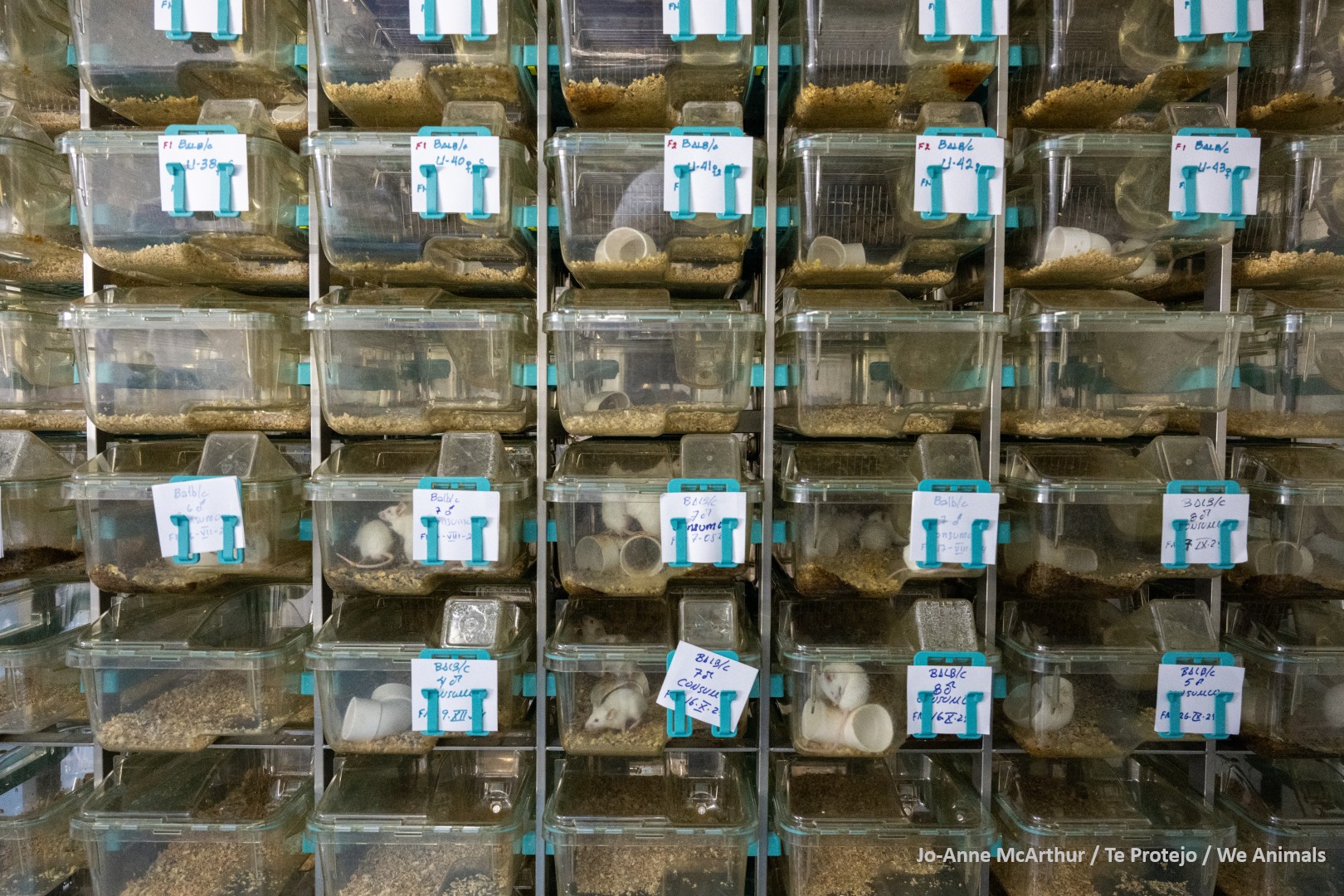
In 2015, Science News reported on a study published in Cell Metabolism. They noted that mice move around more and expend more energy than they would at higher, more comfortable temperatures. Heart rate and blood pressure go up because mice don’t have the luxury of turning up the heat or putting on a warm sweater; they must simply endure the cold.
Imagine now that you’re a donor who is giving money to an institution that is researching treatments for cancer, cardiovascular disease, asthma, stroke, depression or any other disease that affects millions of people.
Let’s say the lab uses your money to conduct tests on human subjects and they say, “well, we keep testing these medicines on our humans (who are too cold all the time) but we don’t seem to be coming up with anything good.”
Or, even worse, you’re a donor and the lab says “we’ve tested these medicines on our human subjects (who are too cold all the time) and they reacted very well, so you can feel assured that they are safe.”
If all of this is so well-known, why don’t laboratories change the temperature at which mice are housed?
The answer might be money.

Not that research centres are too mean to heat the laboratory rooms but that changing the temperature now would mean admitting that years of scientific research were flawed.
A scientist who insists on this change may have to say that everything they’ve previously done is fundamentally worthless. If they do the same studies at the less stressful, more preferred thermoneutral zone of mice and they get completely different results, what would that mean in the context of their career? Does it mean that everything they’ve done – everything that all scientists have done – is questionable now? Would papers have to be retracted?
When a researcher applies for a grant, a significant proportion of that grant goes to the institution they work for. Institutions put pressure on their researchers to keep publishing, keep producing, keep applying for grants. They are not going to appreciate a researcher who says “hey, it looks like all the research we’ve been doing so far contains fundamental flaws so we should admit that, throw it all out, say my bad, and then hope that our grants don’t dry up.”
Numerous researchers and scientists say that mice may not be good substitutes for modelling diseases in humans in any case and that forward-thinking institutions are trying to accelerate the move to non-animal science.
So before you donate to disease charities, ask them where they are on the path to animal-free research - and if they are still using rats and mice, are they warm enough? If universities, hospitals and charities insist on wasting money, make sure it isn’t yours.
Sources:
The Hamster Wheel of Science. (Get Real! podcast, 2022)
https://podcasts.apple.com/us/podcast/the-hamster-wheel-of-science/id1551572614?i=1000568070992
Effects of Rodent Thermoregulation on Animal Models in the Research Environment (2018).
https://pmc.ncbi.nlm.nih.gov/articles/PMC6310197/
Chilly cages may skew disease studies in lab mice. (Science News, 2015)
https://www.sciencenews.org/article/chilly-cages-may-skew-disease-studies-lab-mice
Bad Science and Bad Welfare; Experimenters keep mice perpetually cold. (PETA, 2022)
https://www.peta.org/news/rats-and-mice-endure-cold-stress-in-labs/

Moo Who?